Pressure Grouting in Denver, CO
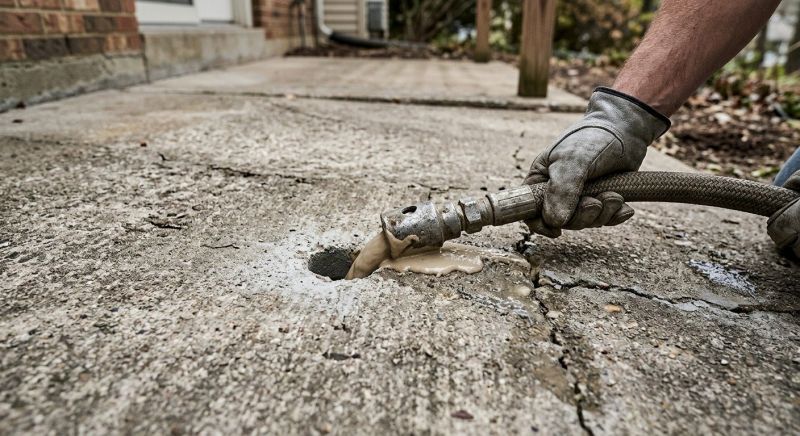
Pressure grouting services involve injecting a specialized mixture of cement, water, and other materials into soil or underlying structures to improve stability and support. This technique is commonly used for foundation repair, filling voids beneath slabs, stabilizing soil around basements, and addressing settlement issues in residential properties. Homeowners considering pressure grouting should understand that the process helps to reinforce weak or shifting ground, reduce the risk of future settling, and provide a more solid base for structures. It is important to assess the scope of the project, such as the extent of soil movement or foundation concerns, to determine if pressure grouting is an appropriate solution.
Property owners typically want to know about the conditions that indicate a need for pressure grouting, such as visible cracks in walls, uneven flooring, or signs of sinking. It’s also helpful to understand the process involved, including how the injection is performed and what areas will be treated. Proper evaluation of the property can identify whether pressure grouting will effectively address the underlying issues, ensuring long-term stability and peace of mind. Contacting a professional for an assessment can provide clarity on the suitability and scope of the service for specific foundation or soil concerns.
Many property owners in Denver, CO look into Pressure Grouting for repairs, replacements, upgrades, and appearance-related improvements.
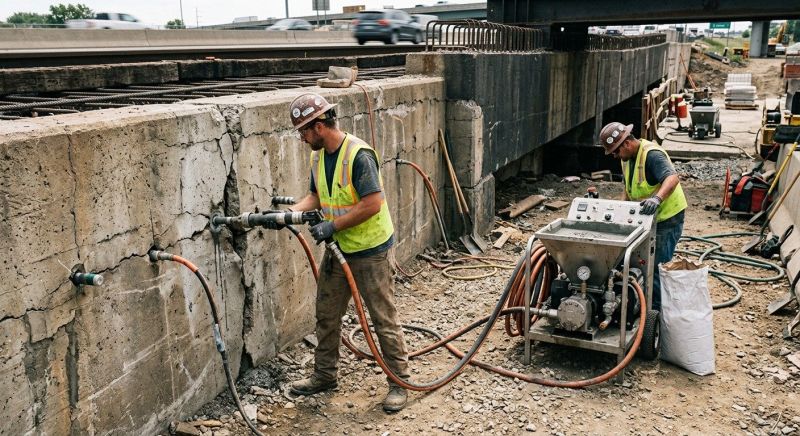
Foundation Stabilization
Pressure grouting can help strengthen and stabilize uneven or settling foundations in denver homes.
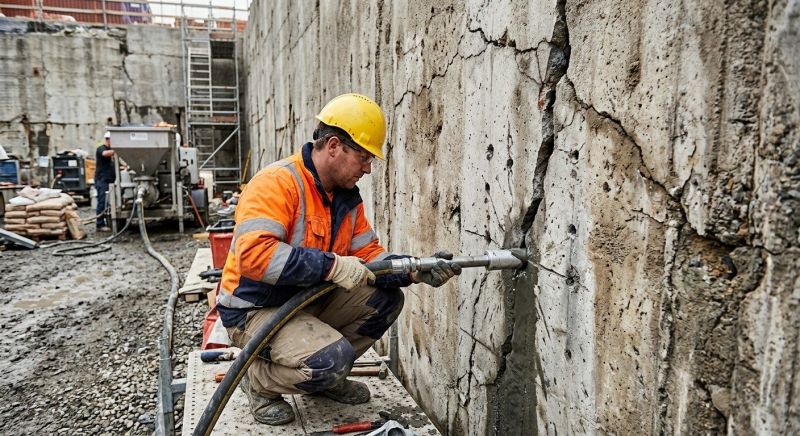
Soil Reinforcement
This service is effective for improving soil support beneath structures to prevent shifting and cracks.
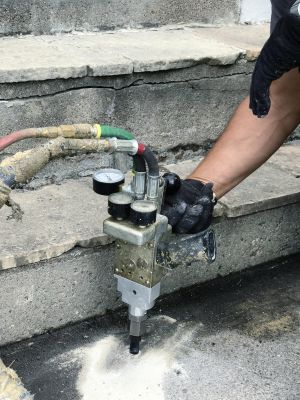
Leak And Seepage Repair
Pressure grouting can seal leaks in basements and crawl spaces caused by soil movement or water intrusion.
Pressure Grouting in Denver, CO

Pressure grouting services involve injecting a specialized mixture of cement, water, and other materials into soil or underlying structures to improve stability and support. This technique is commonly used for foundation repair, filling voids beneath slabs, stabilizing soil around basements, and addressing settlement issues in residential properties. Homeowners considering pressure grouting should understand that the process helps to reinforce weak or shifting ground, reduce the risk of future settling, and provide a more solid base for structures. It is important to assess the scope of the project, such as the extent of soil movement or foundation concerns, to determine if pressure grouting is an appropriate solution.
Property owners typically want to know about the conditions that indicate a need for pressure grouting, such as visible cracks in walls, uneven flooring, or signs of sinking. It’s also helpful to understand the process involved, including how the injection is performed and what areas will be treated. Proper evaluation of the property can identify whether pressure grouting will effectively address the underlying issues, ensuring long-term stability and peace of mind. Contacting a professional for an assessment can provide clarity on the suitability and scope of the service for specific foundation or soil concerns.
Many property owners in Denver, CO look into Pressure Grouting for repairs, replacements, upgrades, and appearance-related improvements.
Common Pressure Grouting Jobs
Foundation Repair - stabilizes and strengthens settling or cracked foundations.
Void Filling - fills gaps beneath slabs or retaining walls to prevent shifting.
Basement Waterproofing - reduces water pressure on basement walls to prevent leaks.
Soil Stabilization - improves ground support for new construction or existing structures.
Pier and Beam Support - reinforces support systems to prevent settling and movement.
Slope Stabilization - minimizes soil movement on hillside properties to prevent erosion.
Pressure Grouting Questions
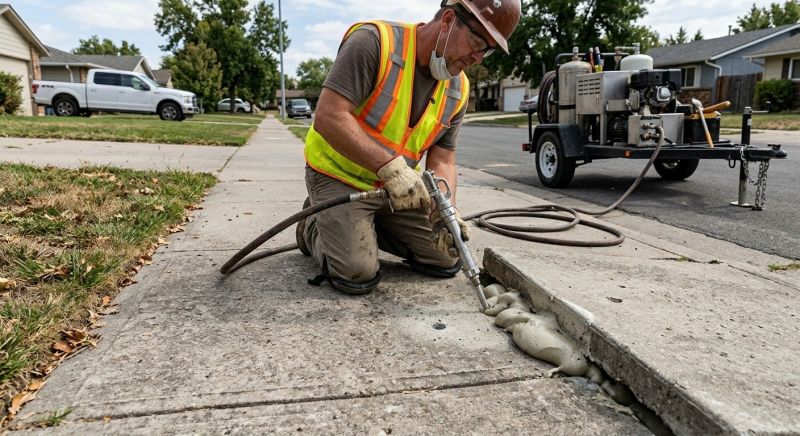
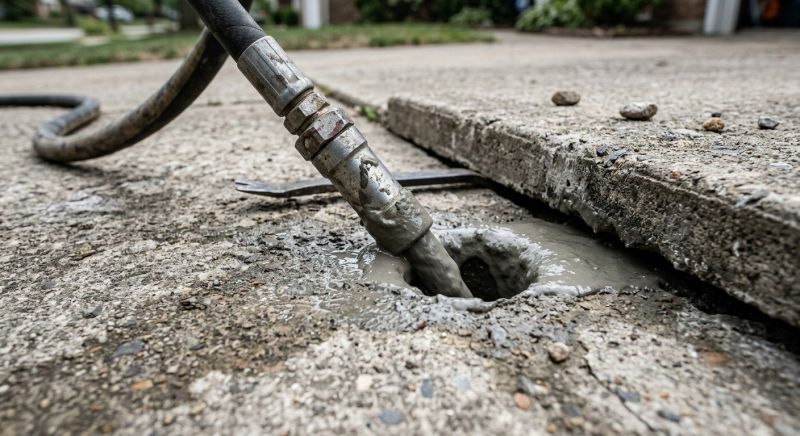
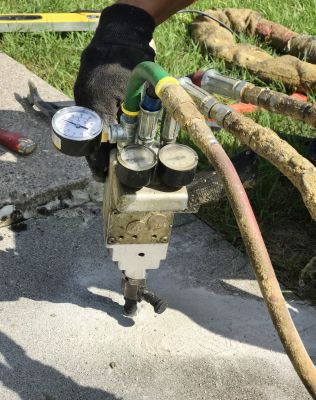
What is pressure grouting? Pressure grouting involves injecting a controlled flow of grout material into soil or voids to improve stability and support structures.
What types of projects benefit from pressure grouting? It is commonly used for foundation stabilization, filling voids beneath slabs, and repairing settling or shifting soil around properties.
How does pressure grouting improve property stability? By filling gaps and consolidating loose soils, pressure grouting helps prevent further movement and enhances the strength of the ground.
Is pressure grouting suitable for all soil types? It is effective in many soil conditions but is best suited for loose, granular, or fractured soils requiring reinforcement.
Request Pressure Grouting in Denver, CO
Use the quote form on this page to share the basics of your project and request more information for the type of work you need.